ElectroStep
On-demand neuromuscular recovery, anywhere, anytime. 87% of people experience foot pain at some point, most often under the heel, arch and ball of the foot. Electrical stimulation helps foot muscles recover, but clinical systems are bulky and stationary, and physical therapy means waiting for limited appointment slots. The team asked how to deliver effective stimulation without limiting mobility.
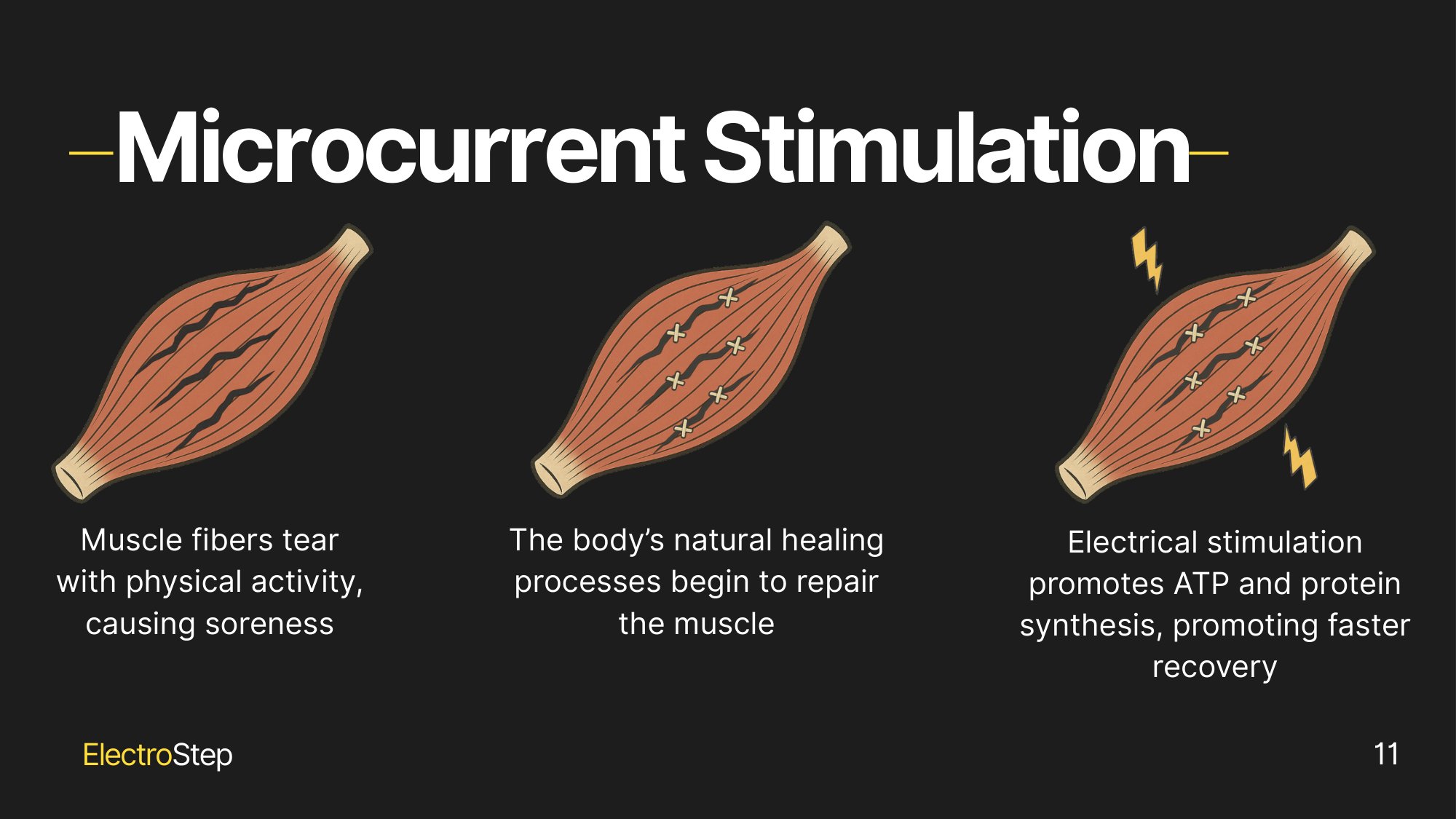
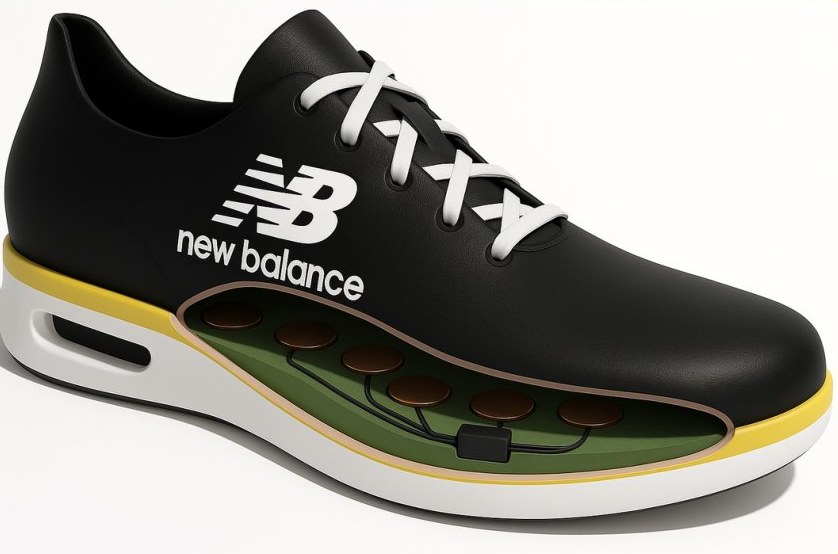
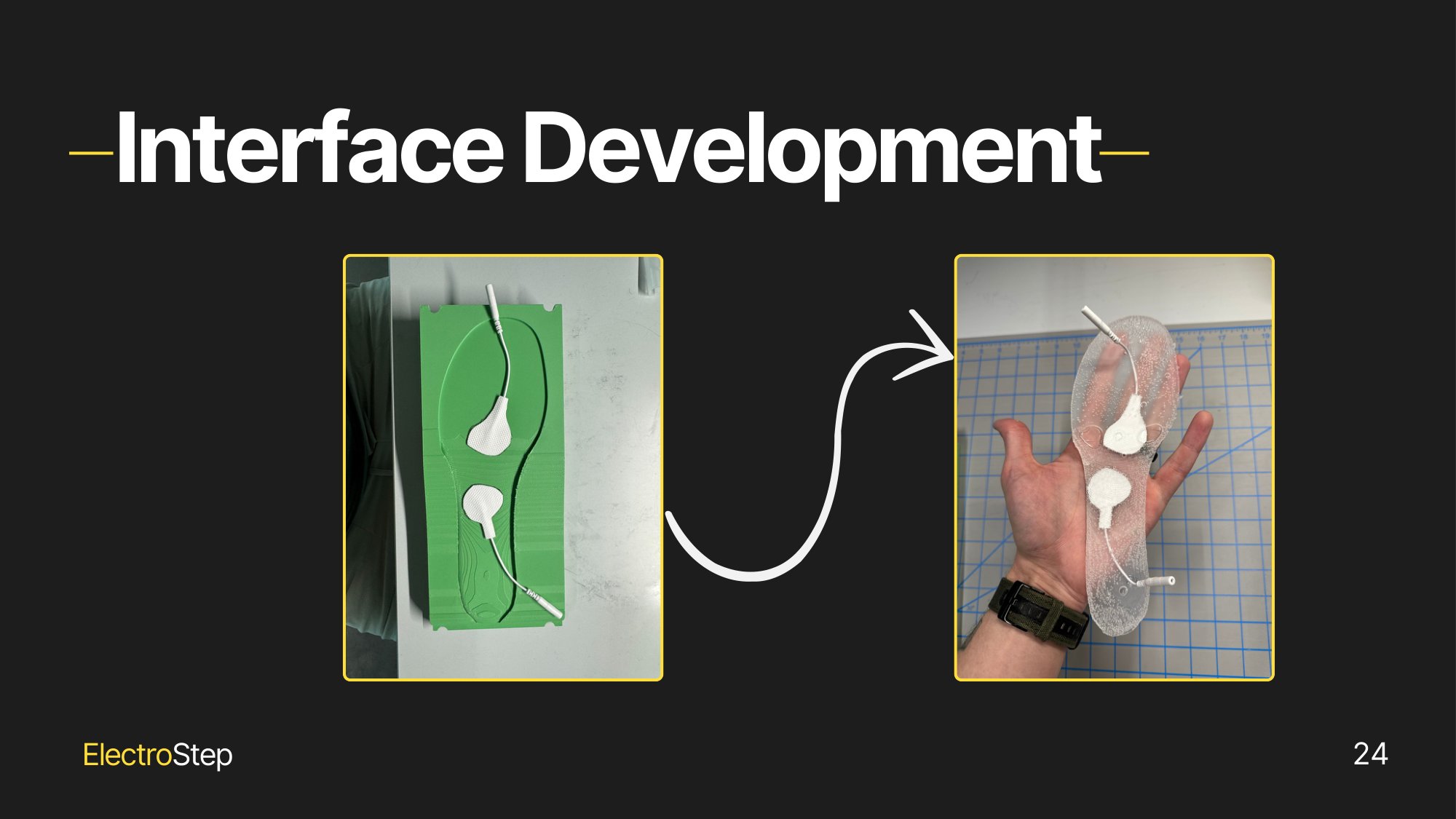
They chose microcurrent electrical stimulation (MENS) because it is sub-sensory and doesn't fatigue the muscle, unlike neuromuscular electrical stimulation (NMES). They then built it into a New Balance shoe. After comparing a sock-like sleeve with an insole, they picked the insole. It keeps electrode contact consistent, stabilizes the device's mass and is invisible inside normal footwear.
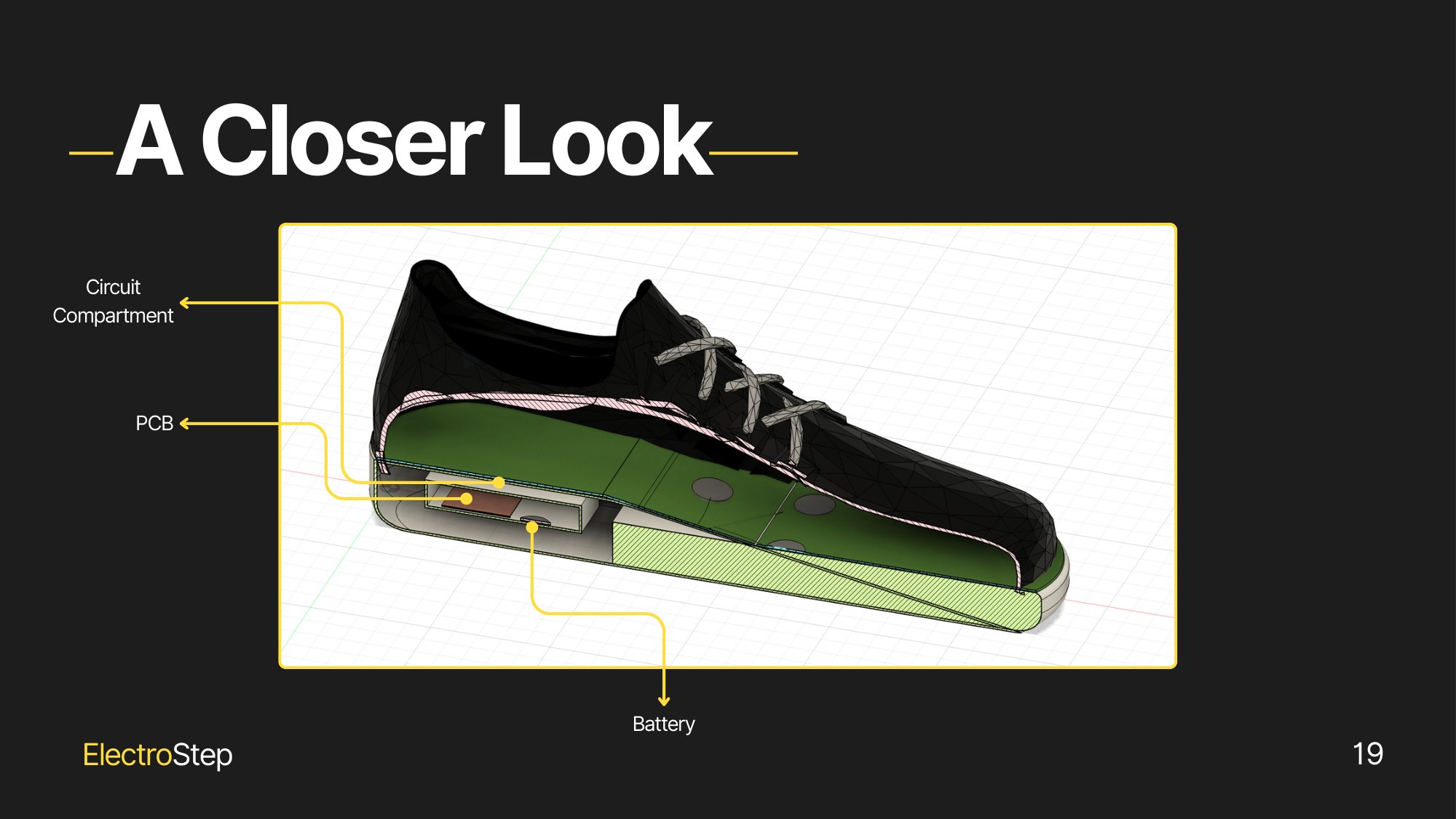
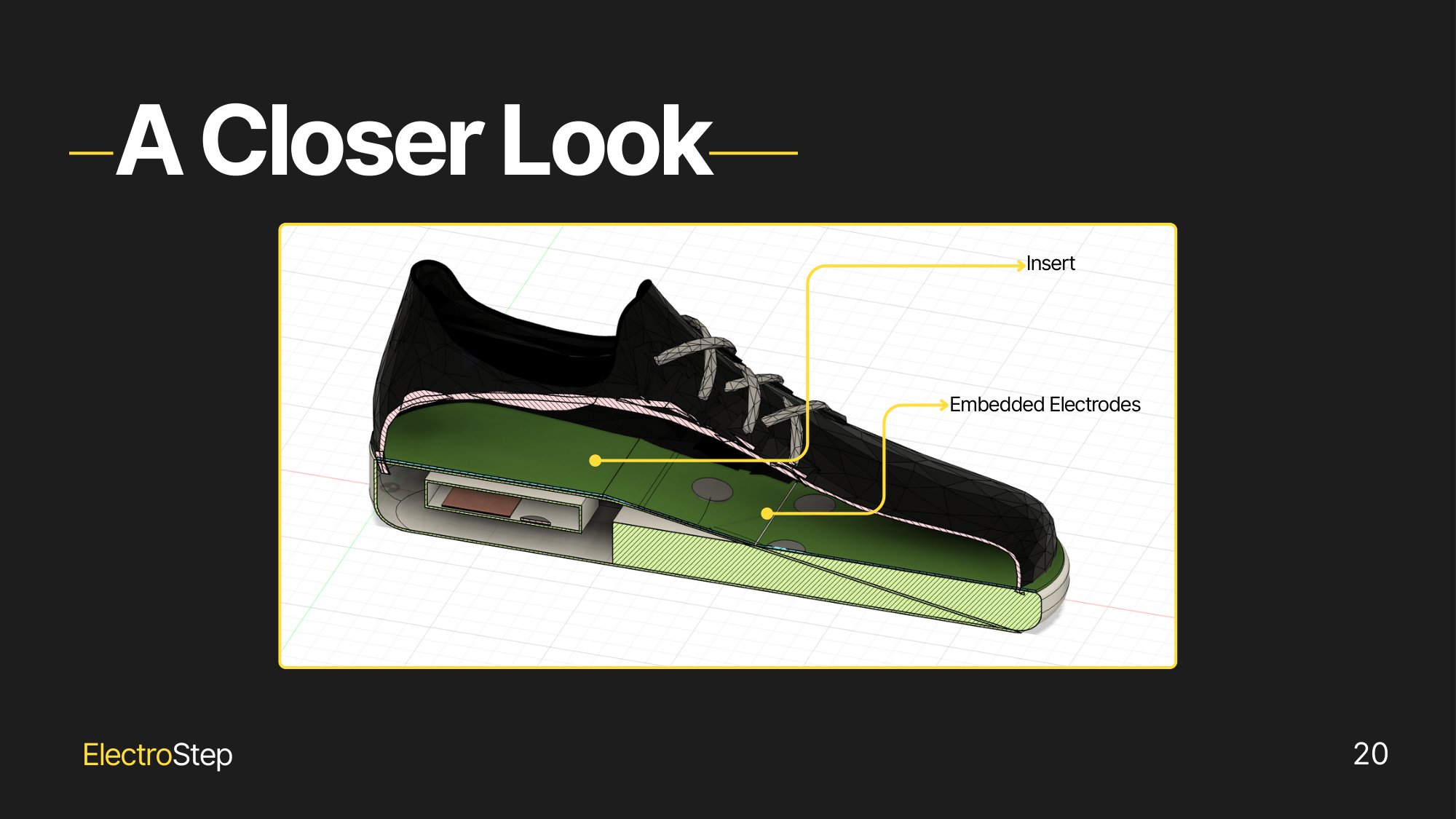
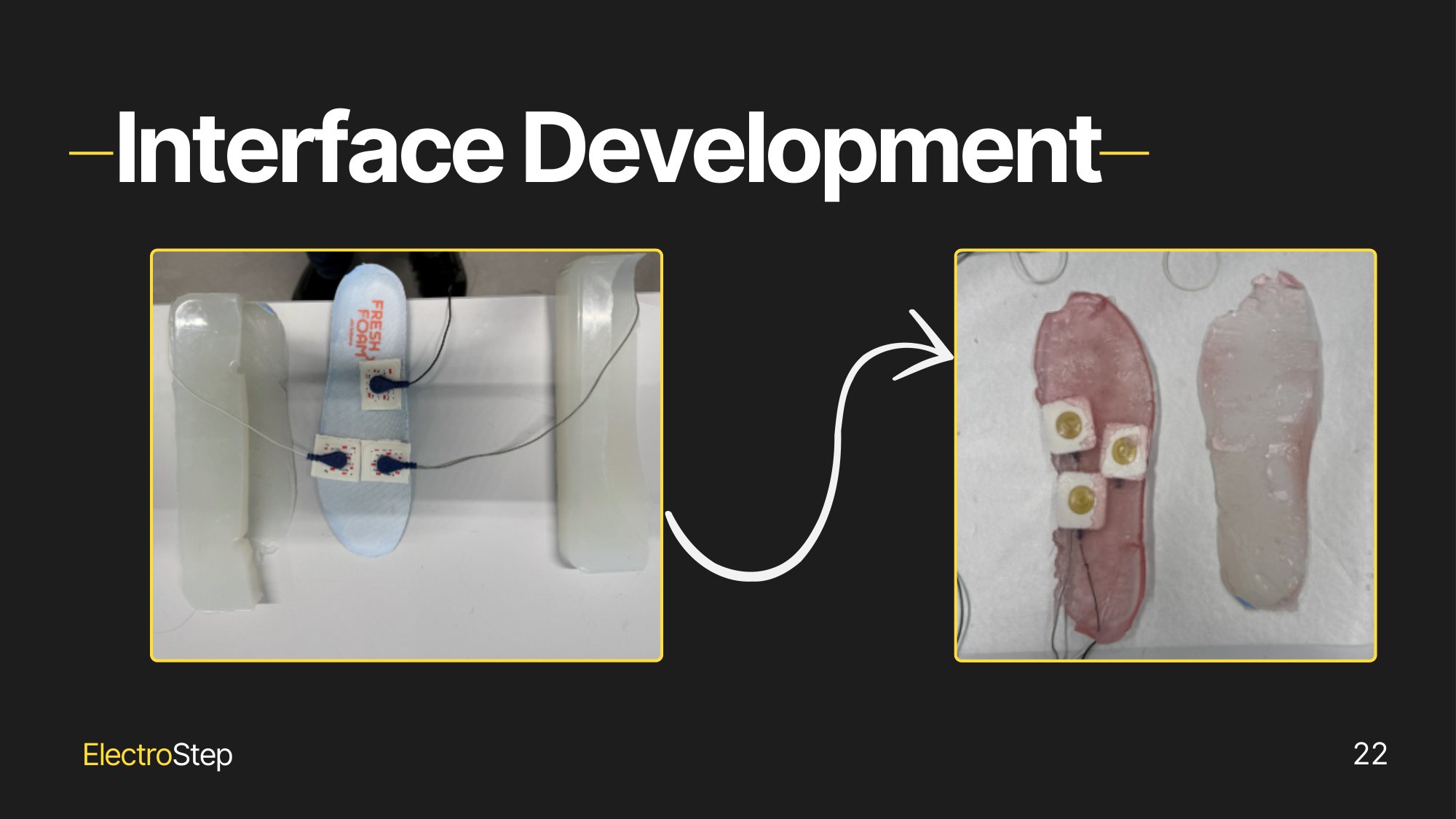
Interface development
Electrical design
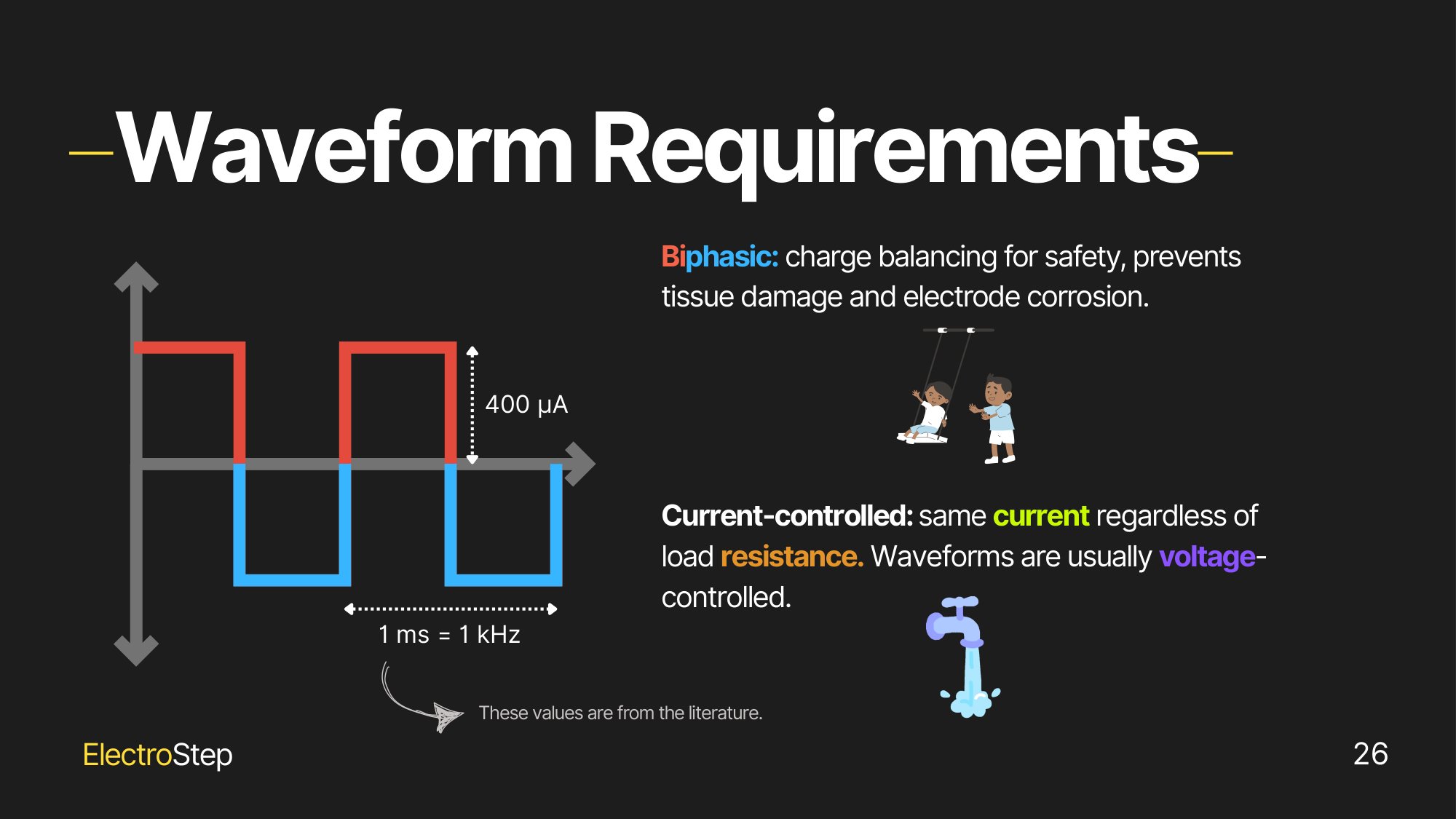
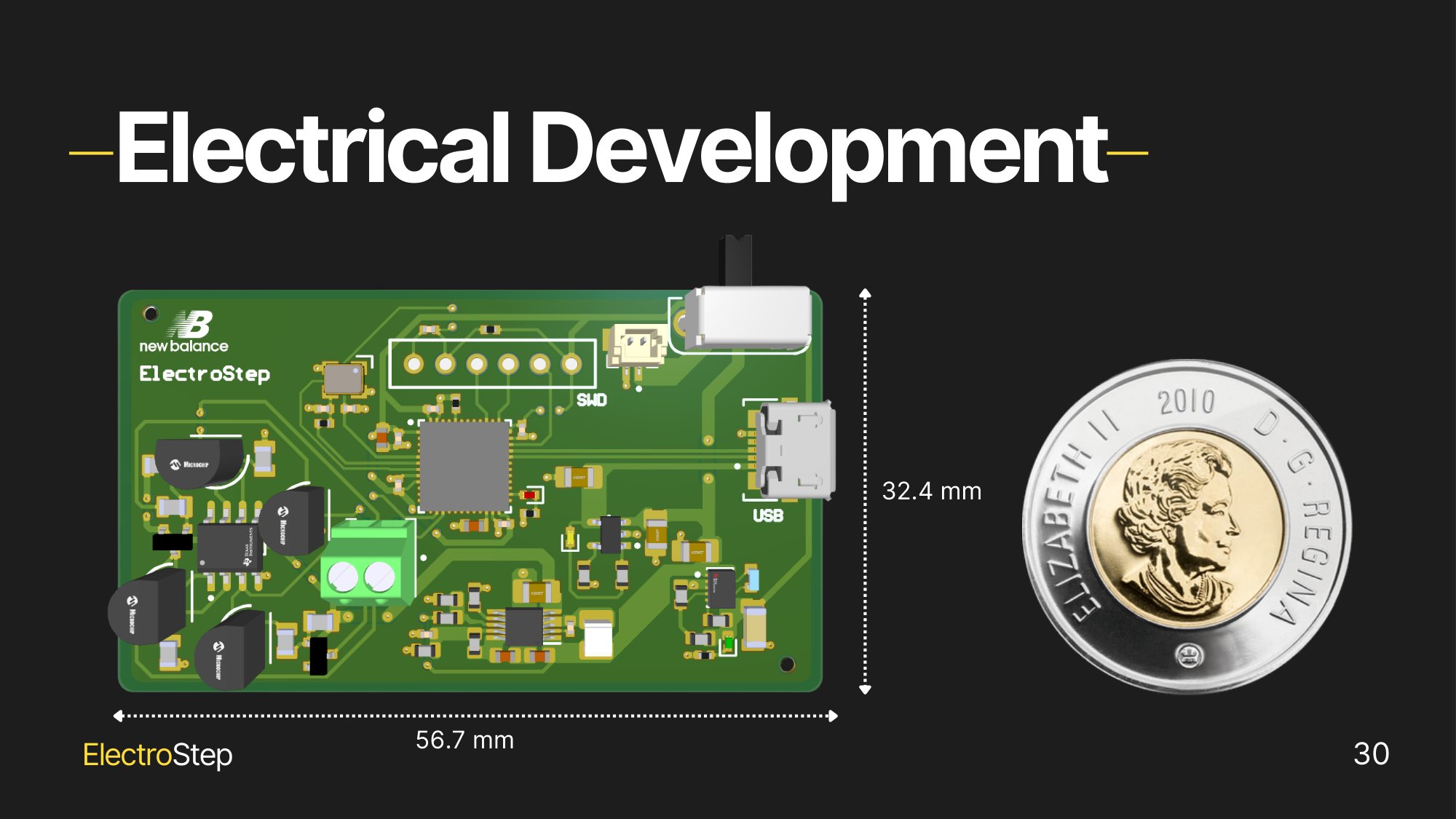
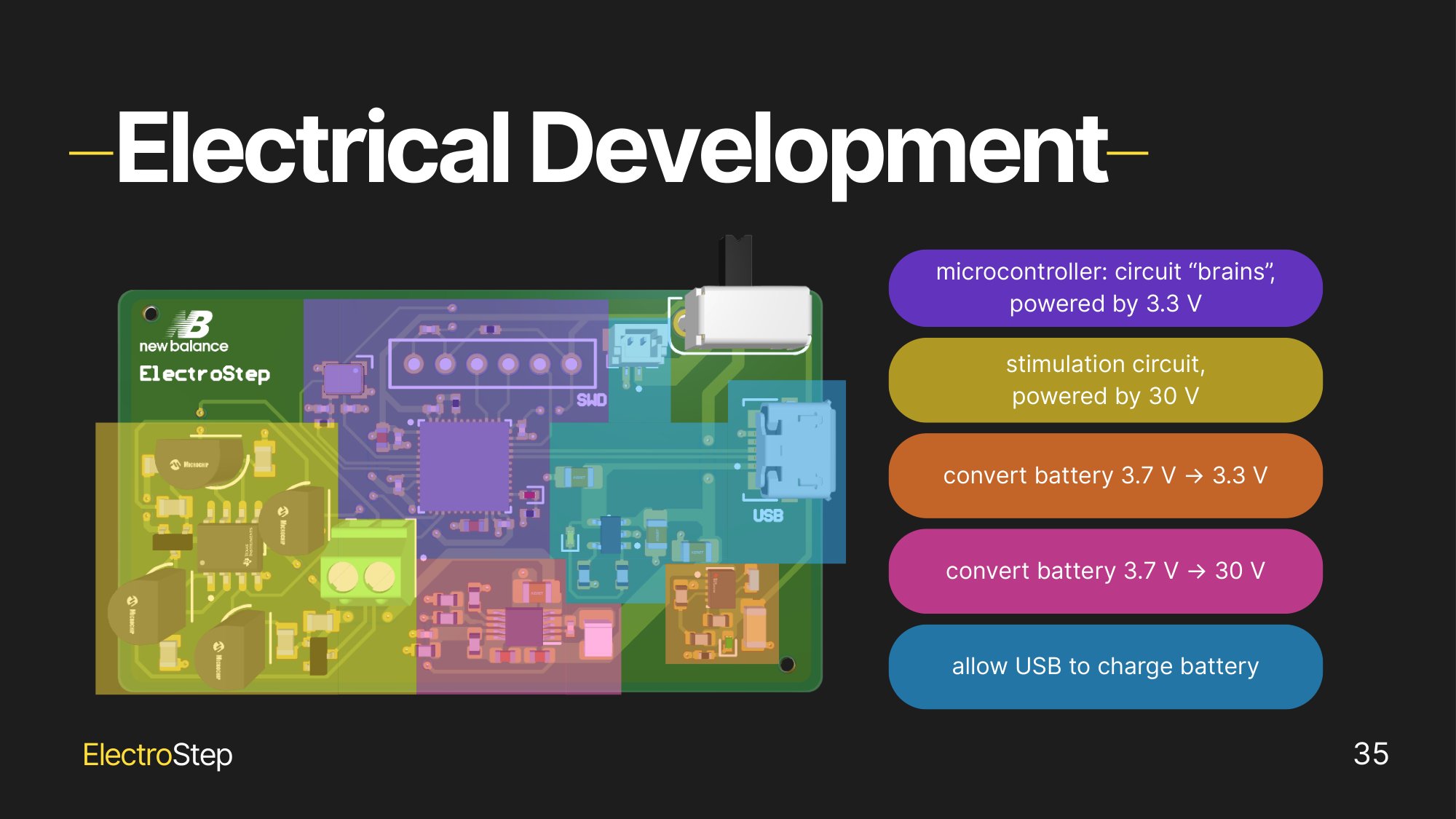
The team designed a custom current-controlled, biphasic 400 µA, 1 kHz stimulation circuit. Biphasic pulses balance charge, which prevents tissue damage and electrode corrosion. Current control delivers the same current whatever the skin resistance. A 3.7 V lithium-polymer battery weighing 8 g gives about 50 hours of active stimulation over more than 180 recharge cycles. On-board converters supply 3.3 V for the microcontroller and 30 V for the stimulation stage, and the battery charges over USB. Everything fits on a 56.7 × 32.4 mm board.
Caelis
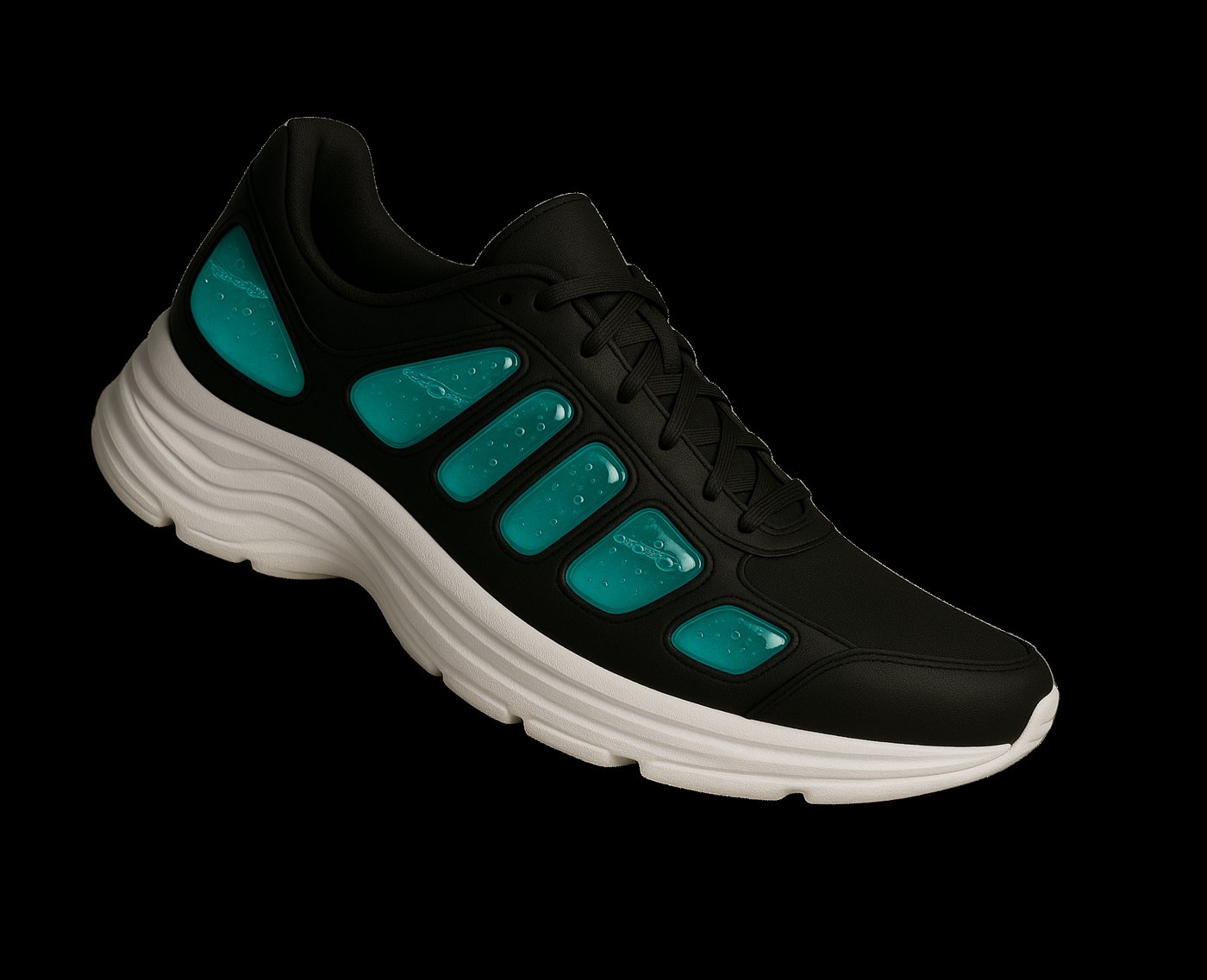
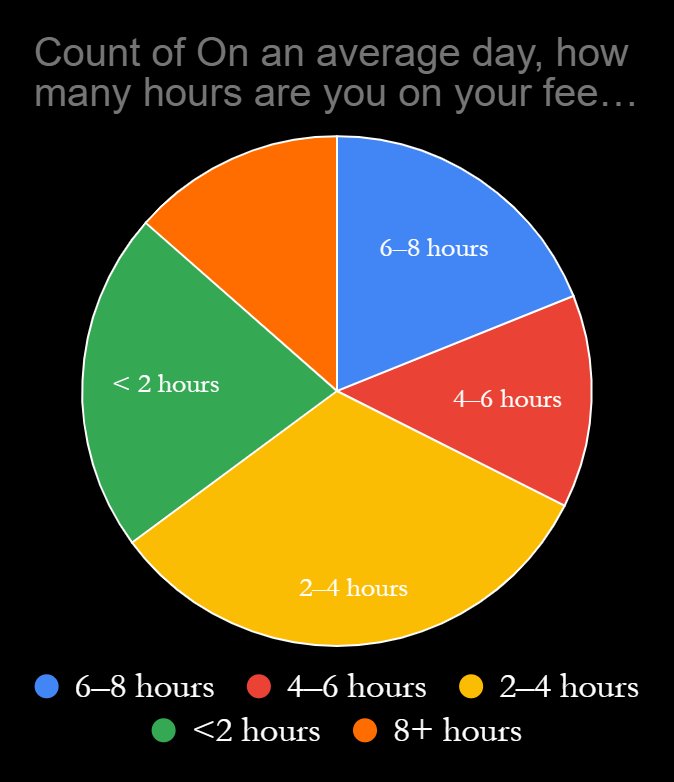
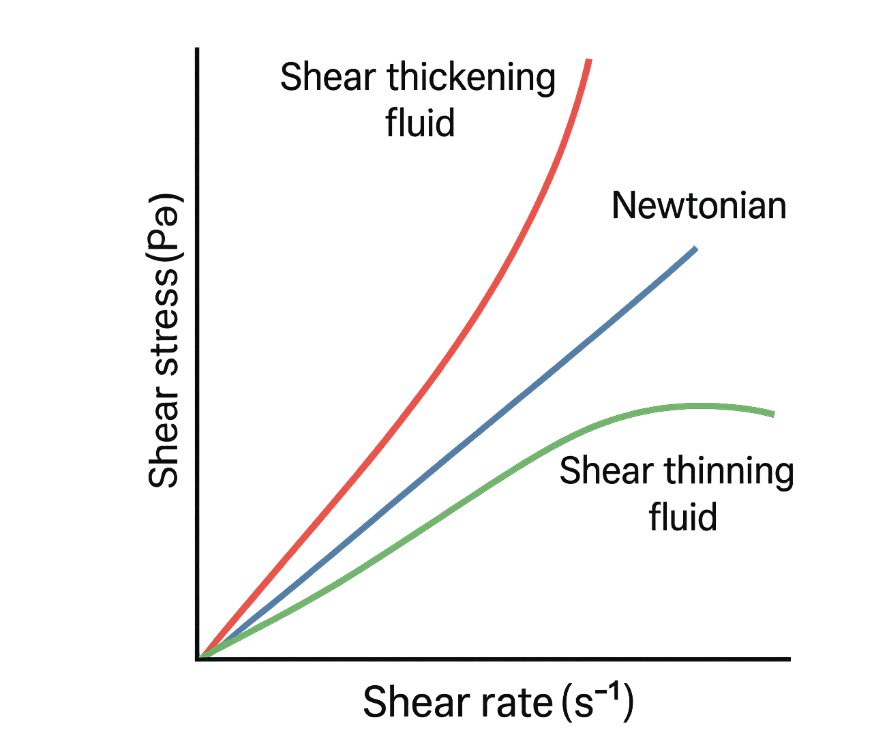
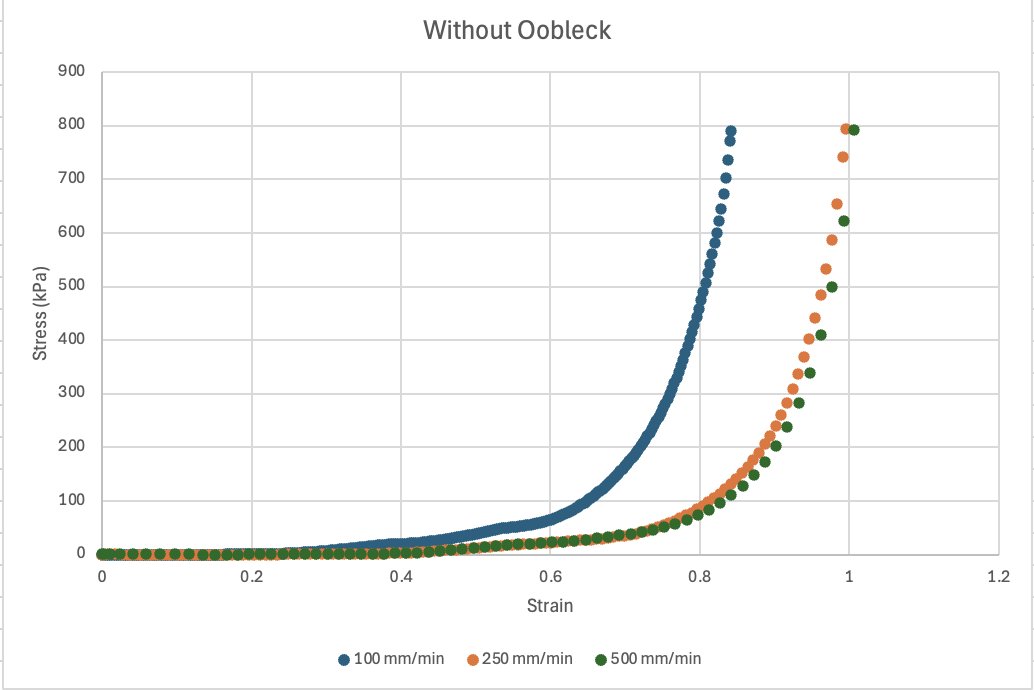
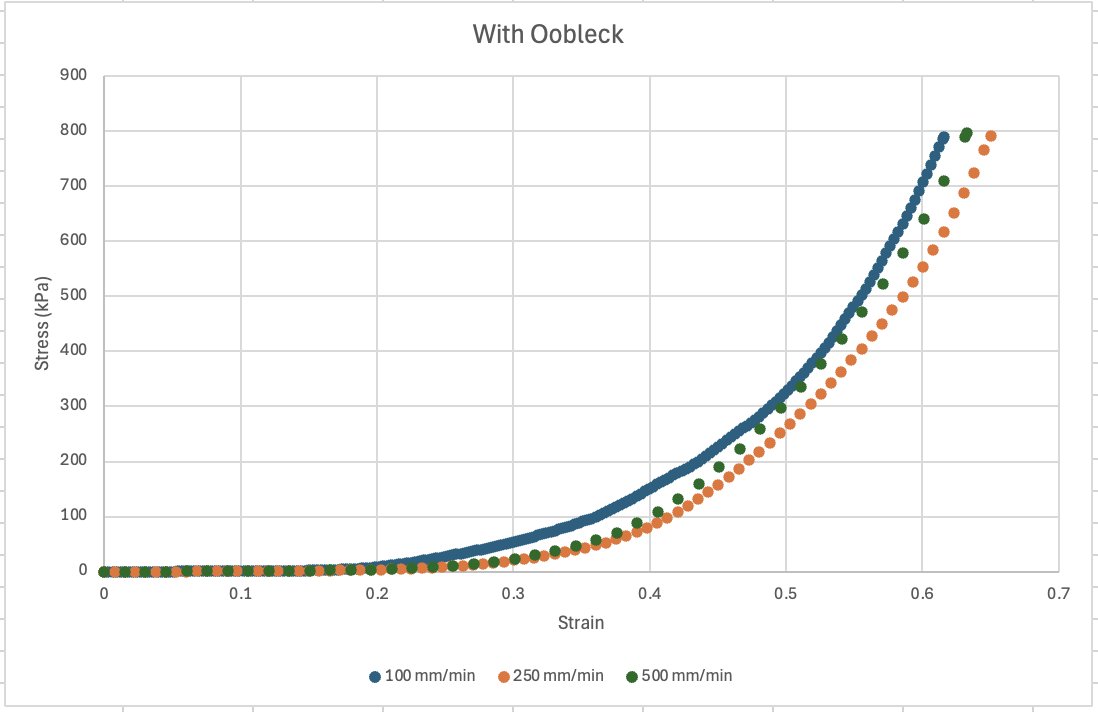
Comfort that covers every step. A survey on foot discomfort showed that people who spend long hours on their feet feel pressure well beyond the sole: at the heels, arches, sides, toes and ankles. Insoles only treat the bottom of the foot. The team designed a shoe for healthcare and hospitality workers, with pouches of non-Newtonian fluid (oobleck) at 3D pressure points. The pouches conform when you stand and stiffen under impact.
Pouch prototyping
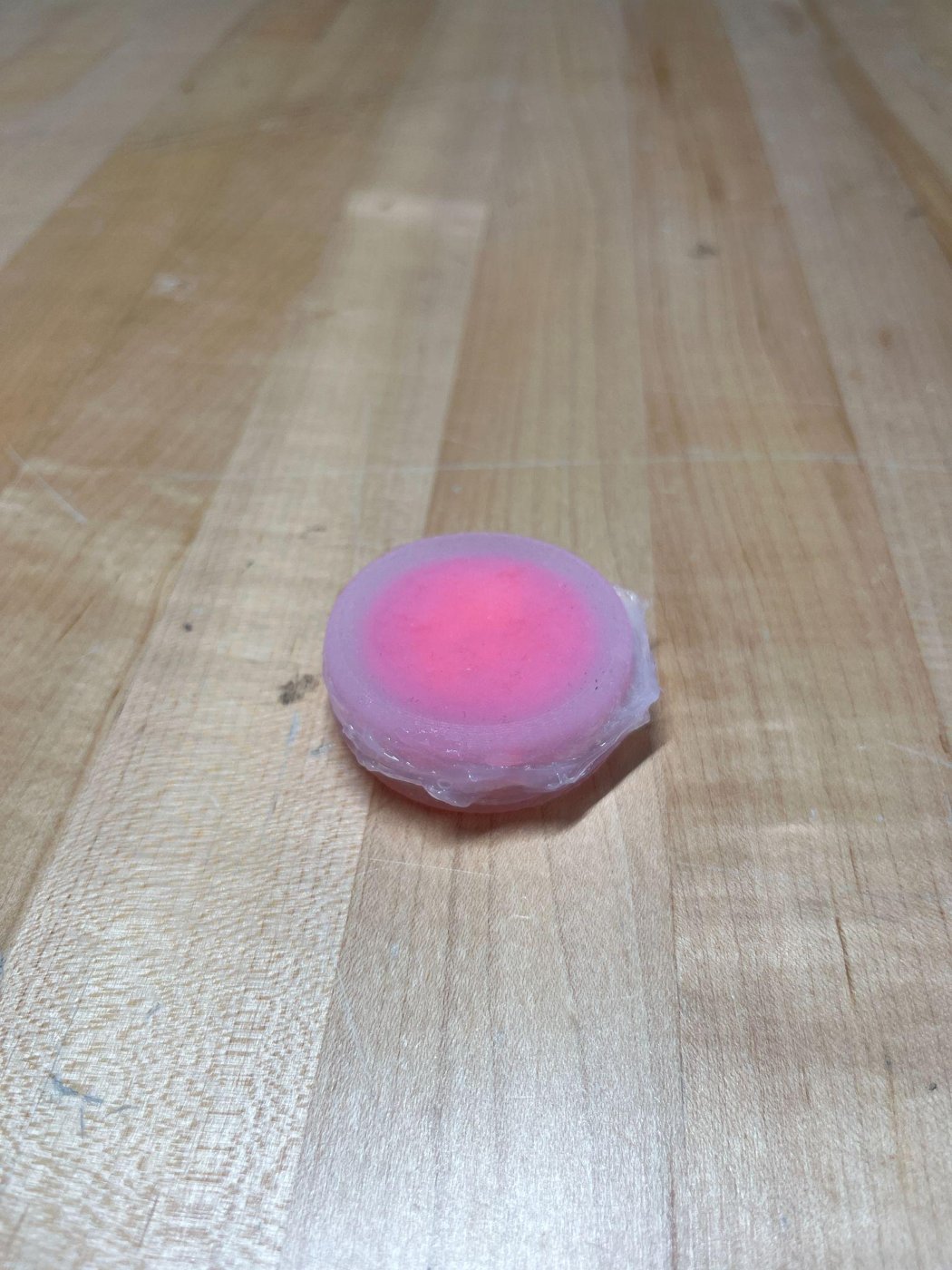
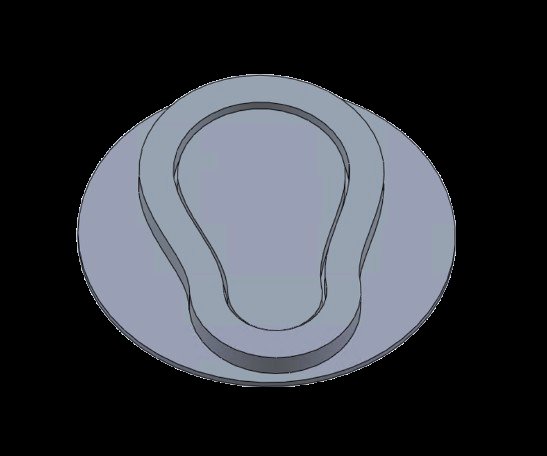
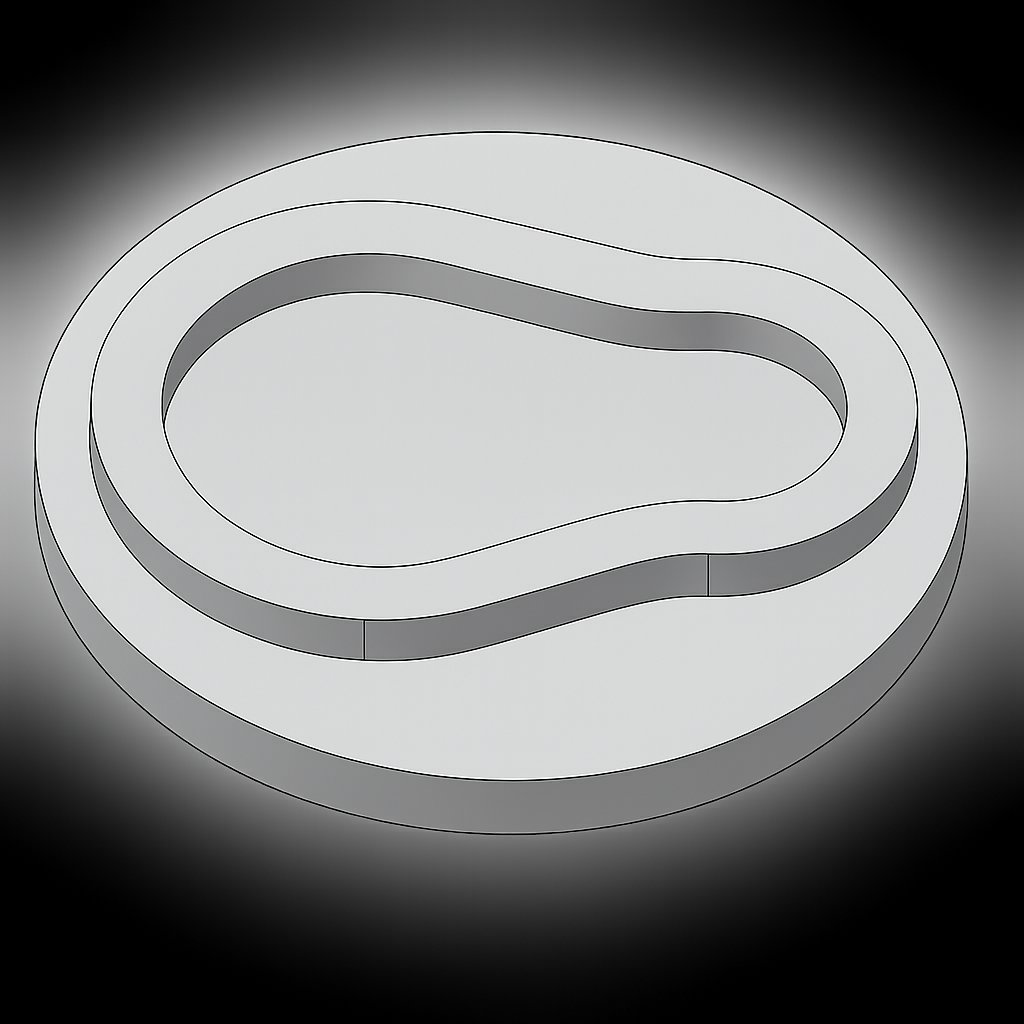
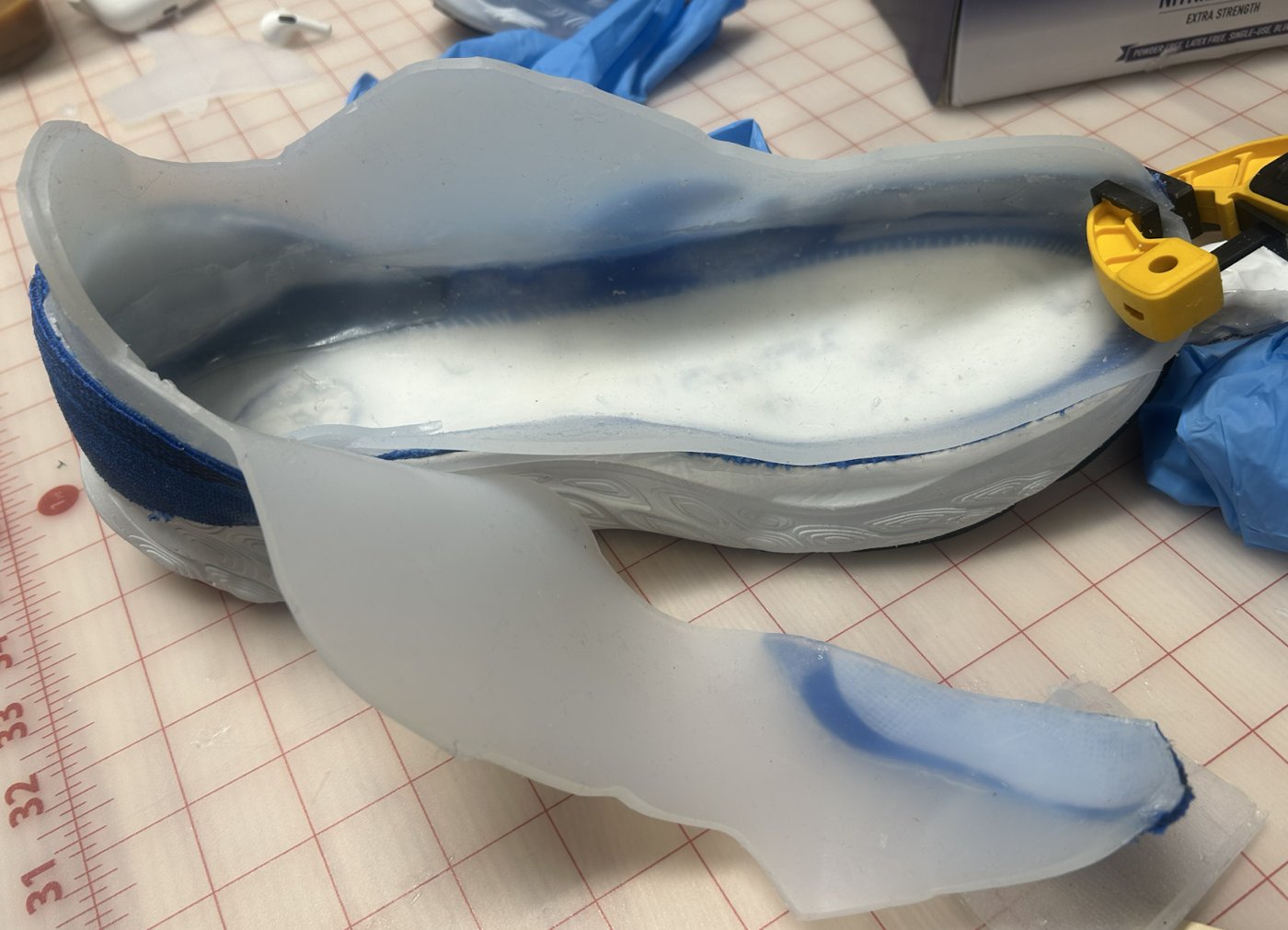
The pouches went through four versions: thermoplastic sheets with a water-paint mix, thermoplastic sheets with oobleck, a spherical silicone cast and finally a parameterized silicone cast. The team then moved to 3D pouches shaped for the heel and back, and for the ball and side of the foot.
Material testing
Building the shoe
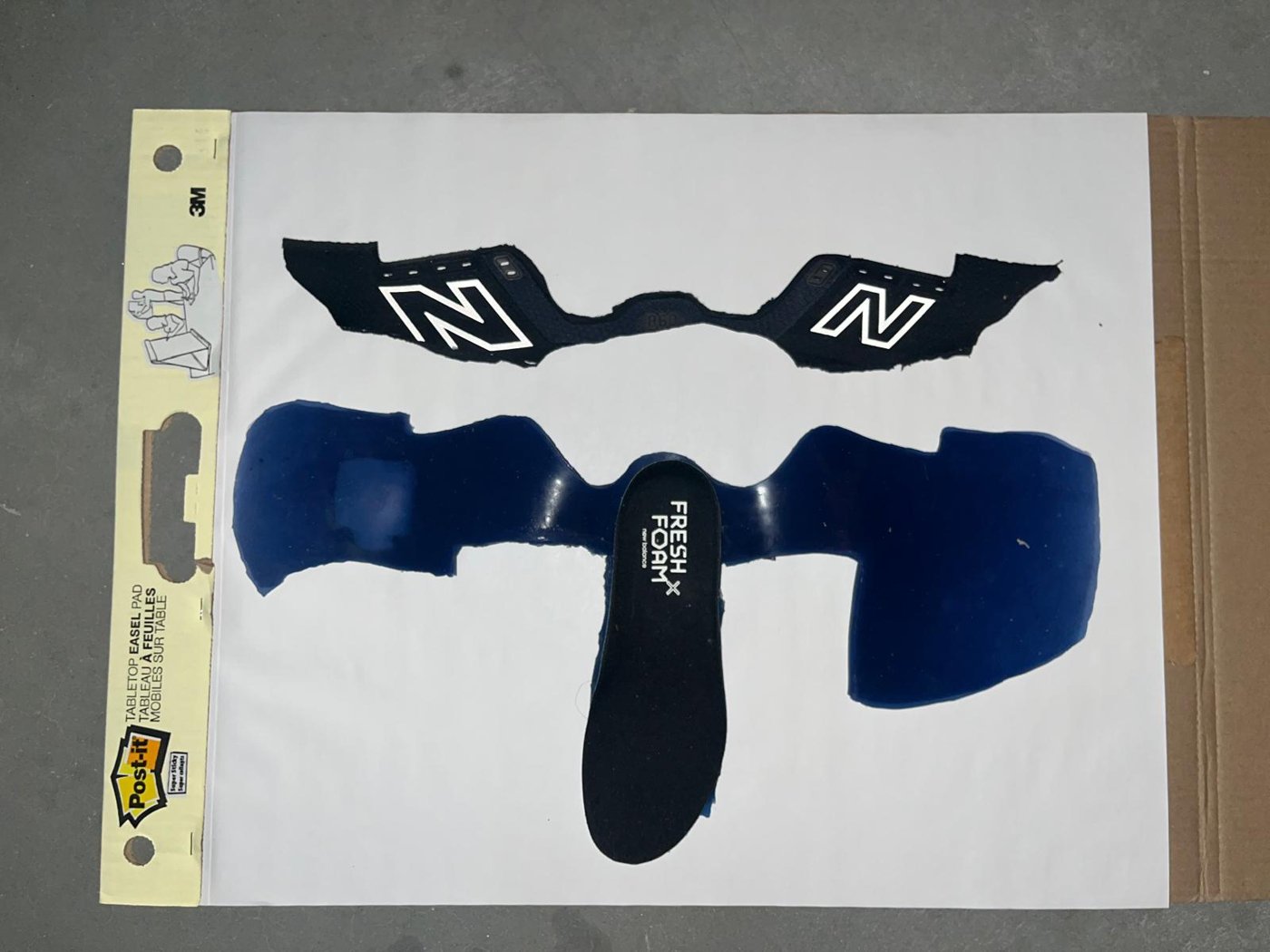
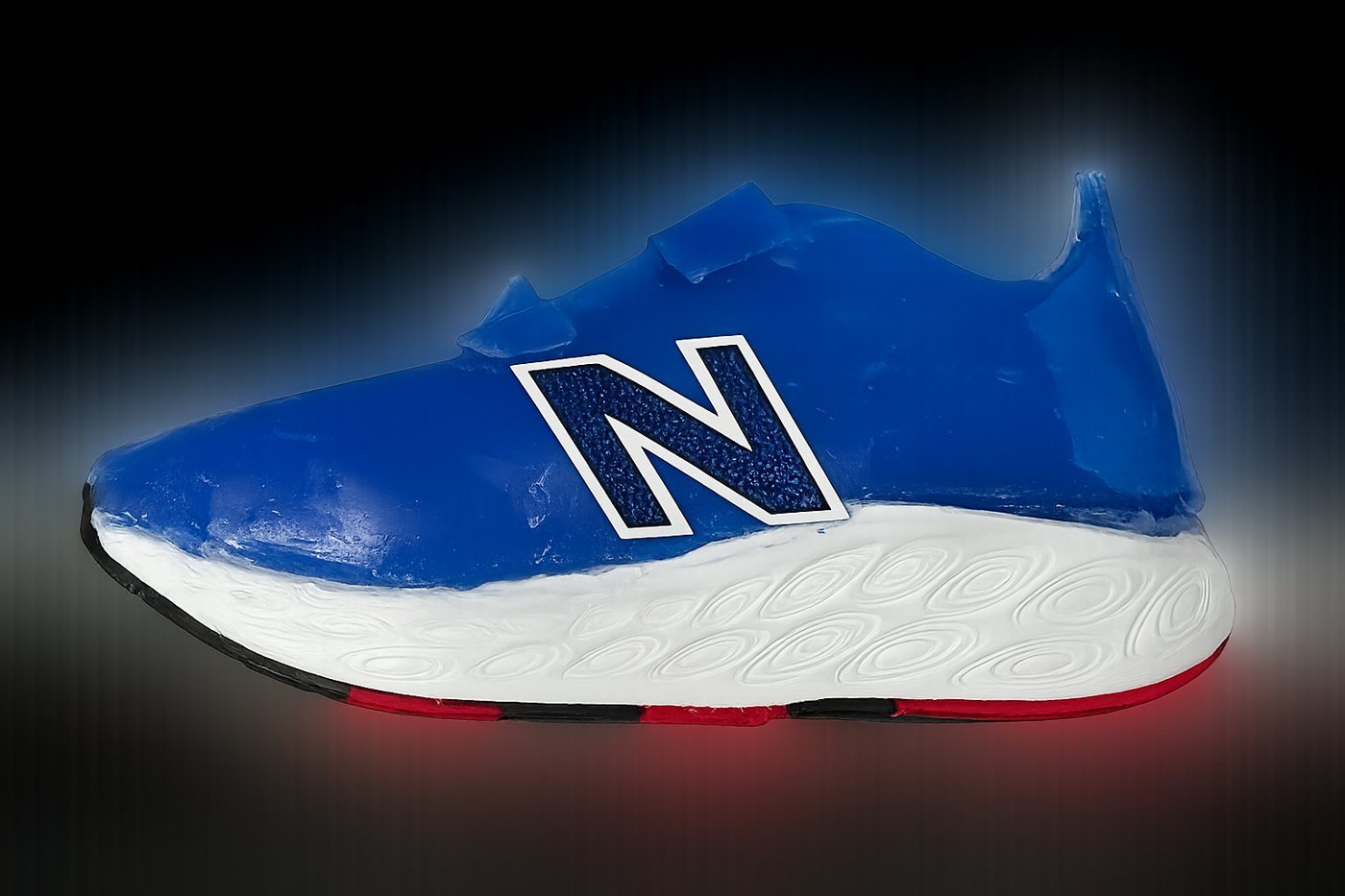
Attaching pouches to a finished shoe made them feel separate from it. So the team "unrolled" a New Balance Fresh Foam X 880 v14 upper and embedded the compartments before assembly. The upper is Dragon Skin silicone, and the pockets hold a 60%-by-mass oobleck mixture.
Testing
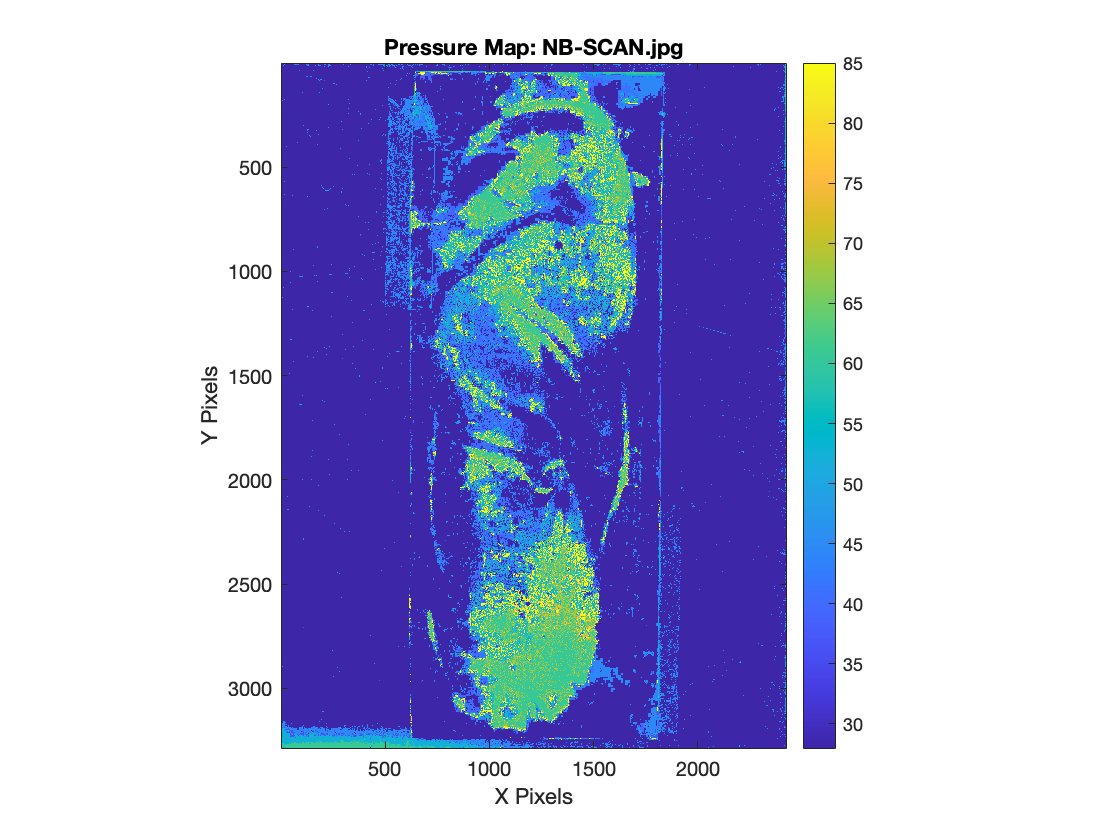
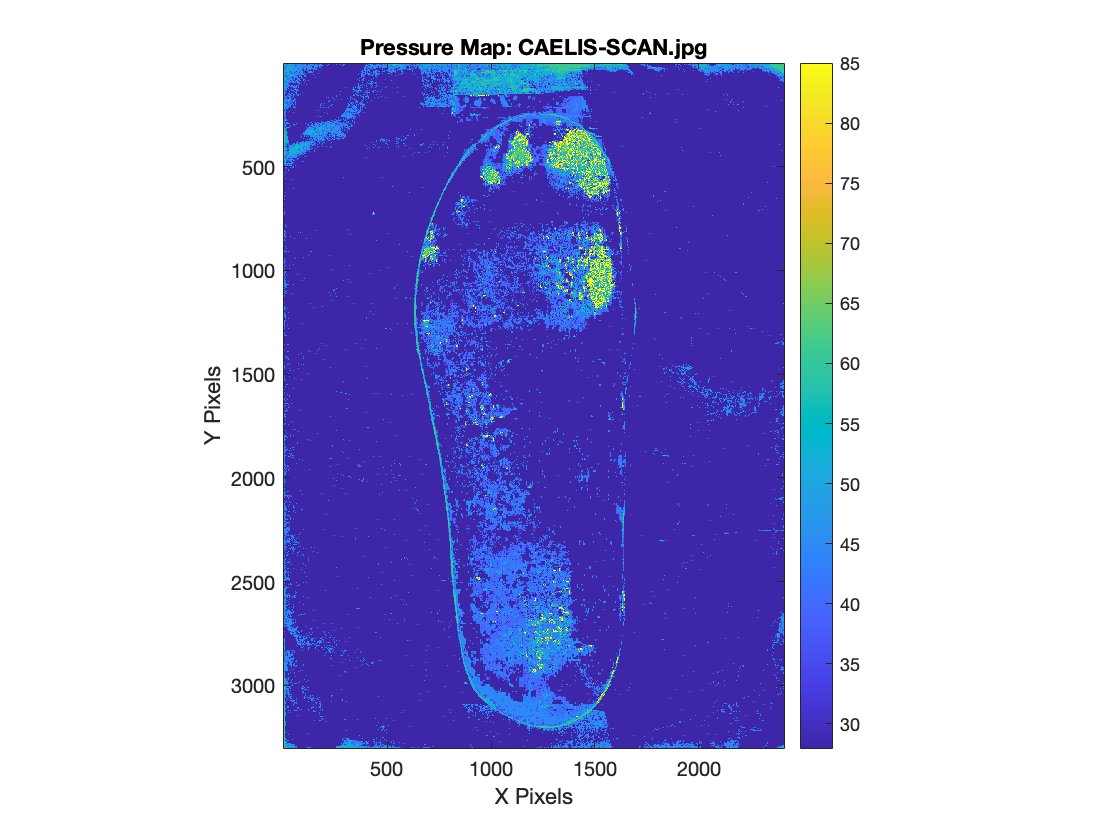
For gait-based testing, the team used pressure-sensitive film (28–51 PSI) under a stock NB Fresh Foam insole and under Caelis. A calibrated color-to-pressure script turned each film into a heatmap. Wearers said the pockets "felt rigid like a normal sole" when walking but "conformed to my foot" when standing.