The problem
For PTSD, electronic health records hold symptoms, triggers, trauma history, treatment plans and progress notes. As those records grow, it gets harder for clinicians to see a patient's whole history in the time they have. Clinical text is also hard for standard NLP: it's unstructured, dense with jargon and acronyms, and spread across many sources. Even state-of-the-art biomedical named-entity recognition reaches only about 80 to 85% precision and recall, so any automated summary needs a way to surface and correct its own errors.
Approach
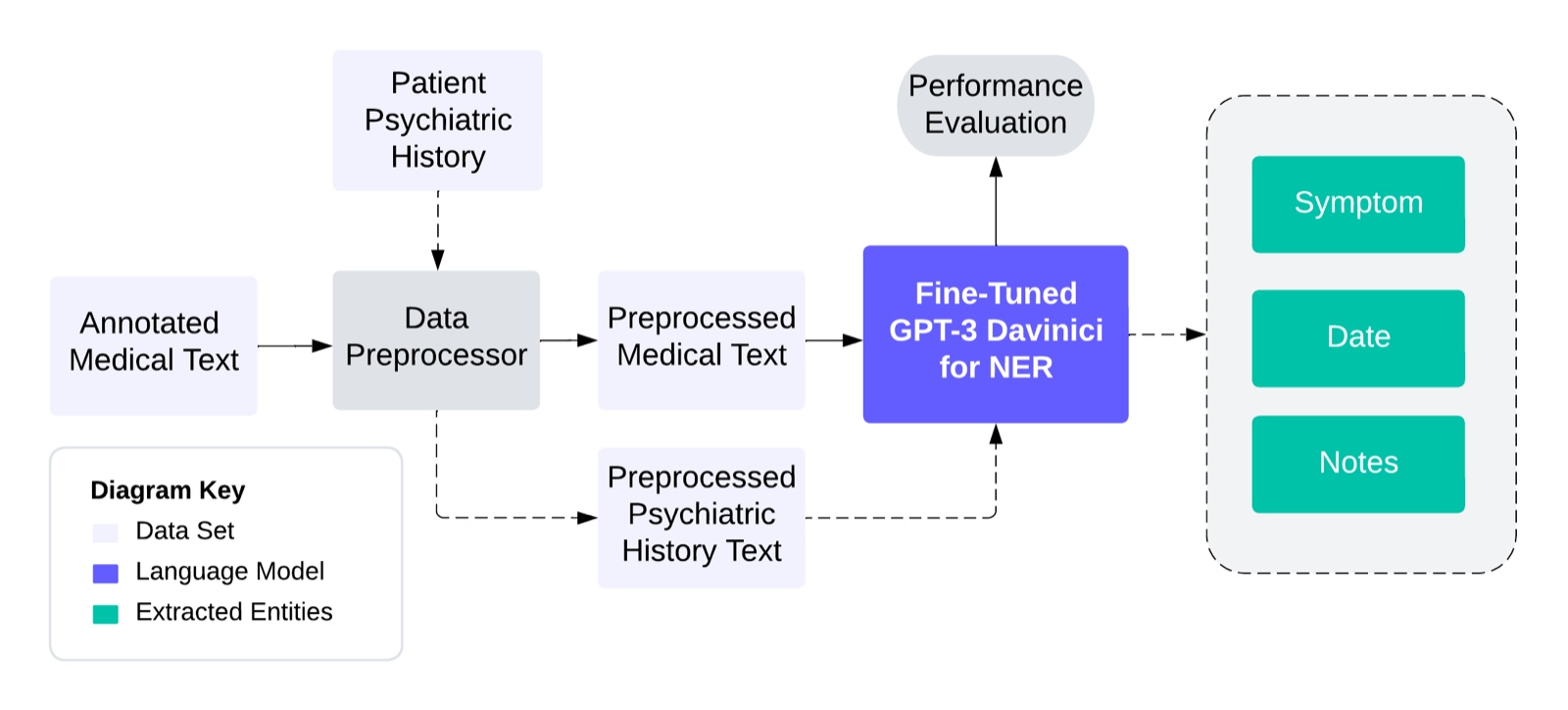
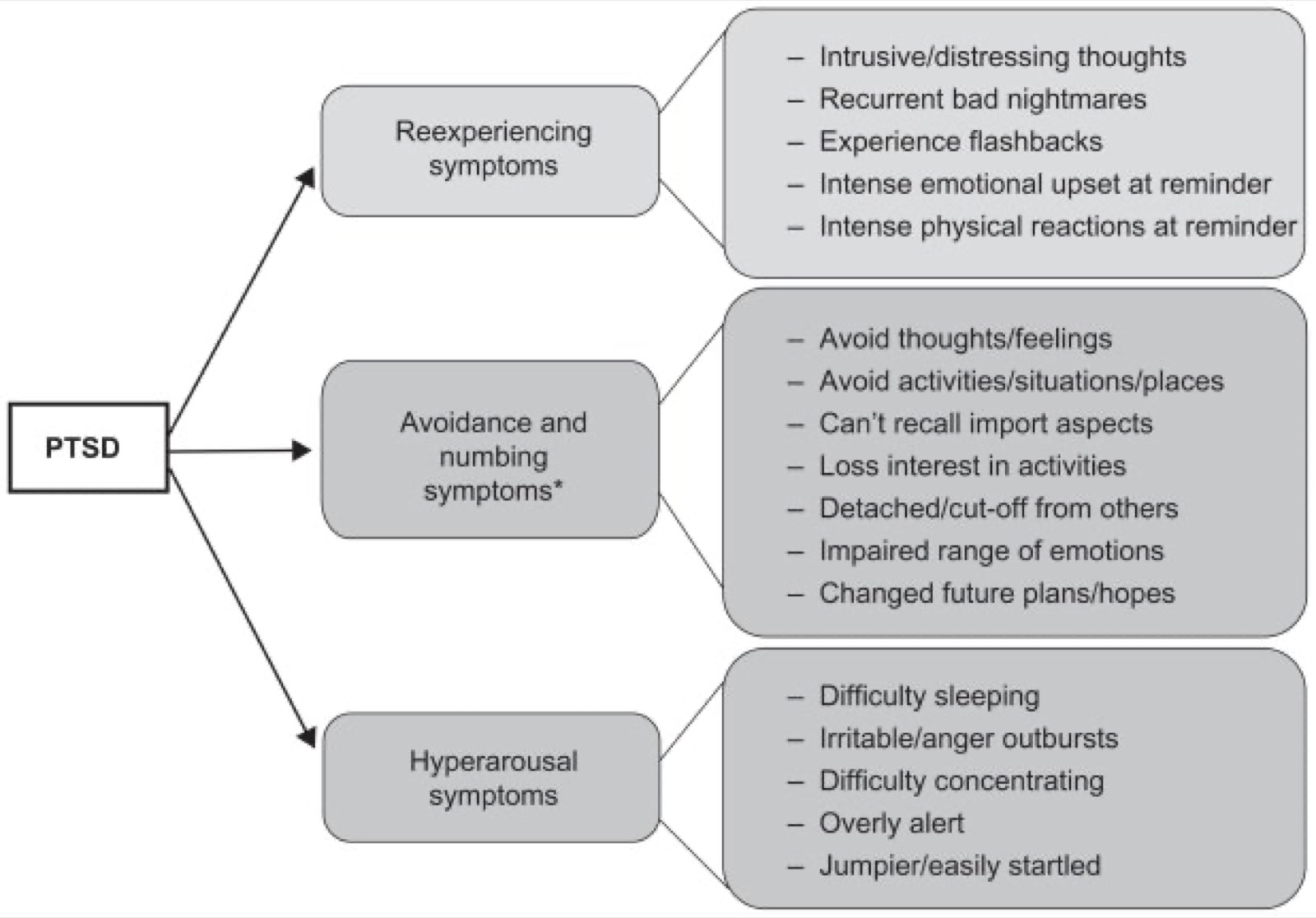
RAPID builds on the Doccurate clinical-text curation framework. It replaces Doccurate's extraction step with fine-tuned transformer language models for named-entity recognition of PTSD symptoms and organizes the results around the DSM-style PTSD symptom clusters.
Data
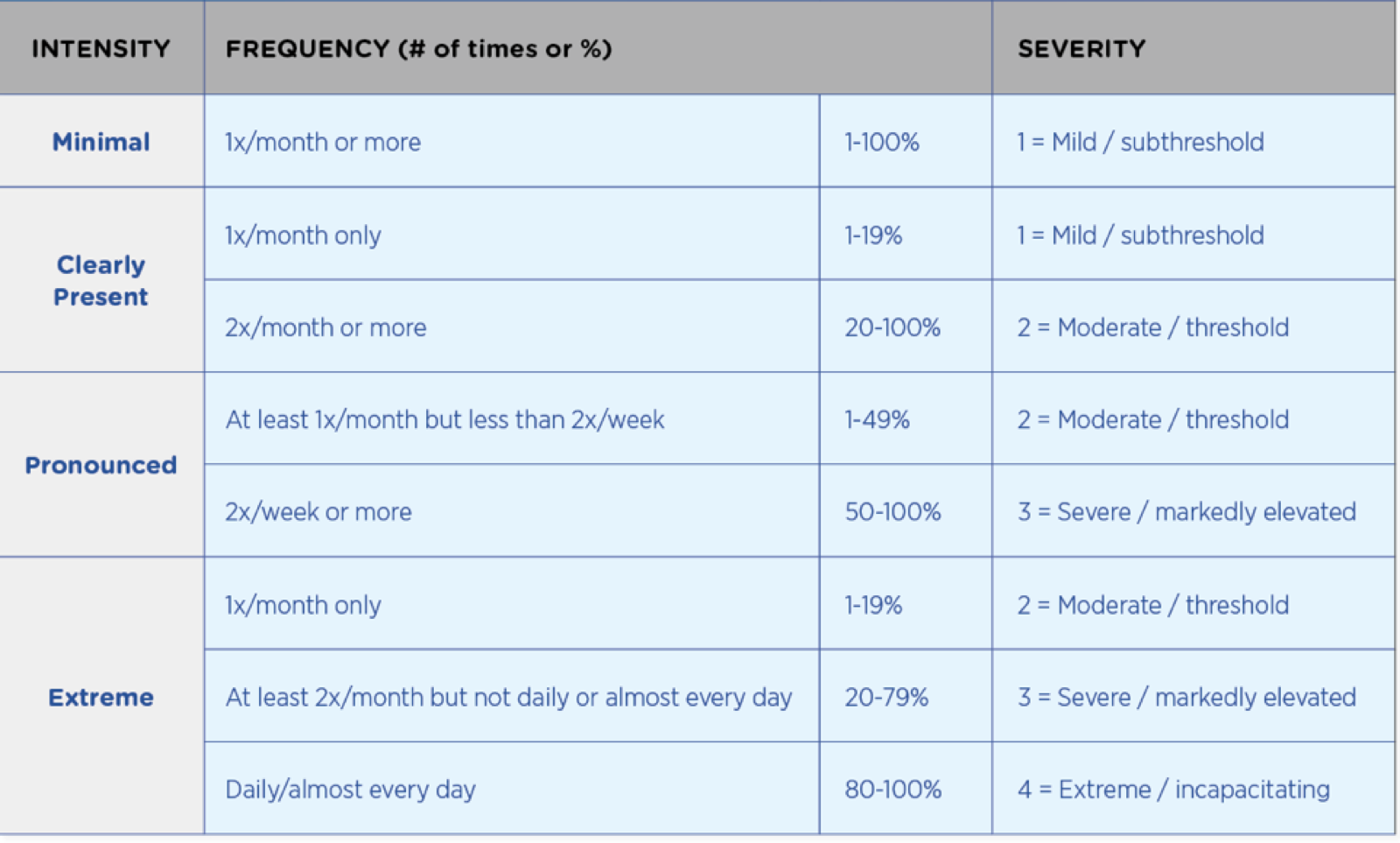
RAPID uses annotated clinical text plus de-identified Clinical Summary Reports from SAMHSA, focused on anxiety and obsessive-compulsive disorders and on trauma- and stressor-related disorders. Preprocessing removes contractions, punctuation and stop words, then lemmatizes and lowercases the text.
Interface
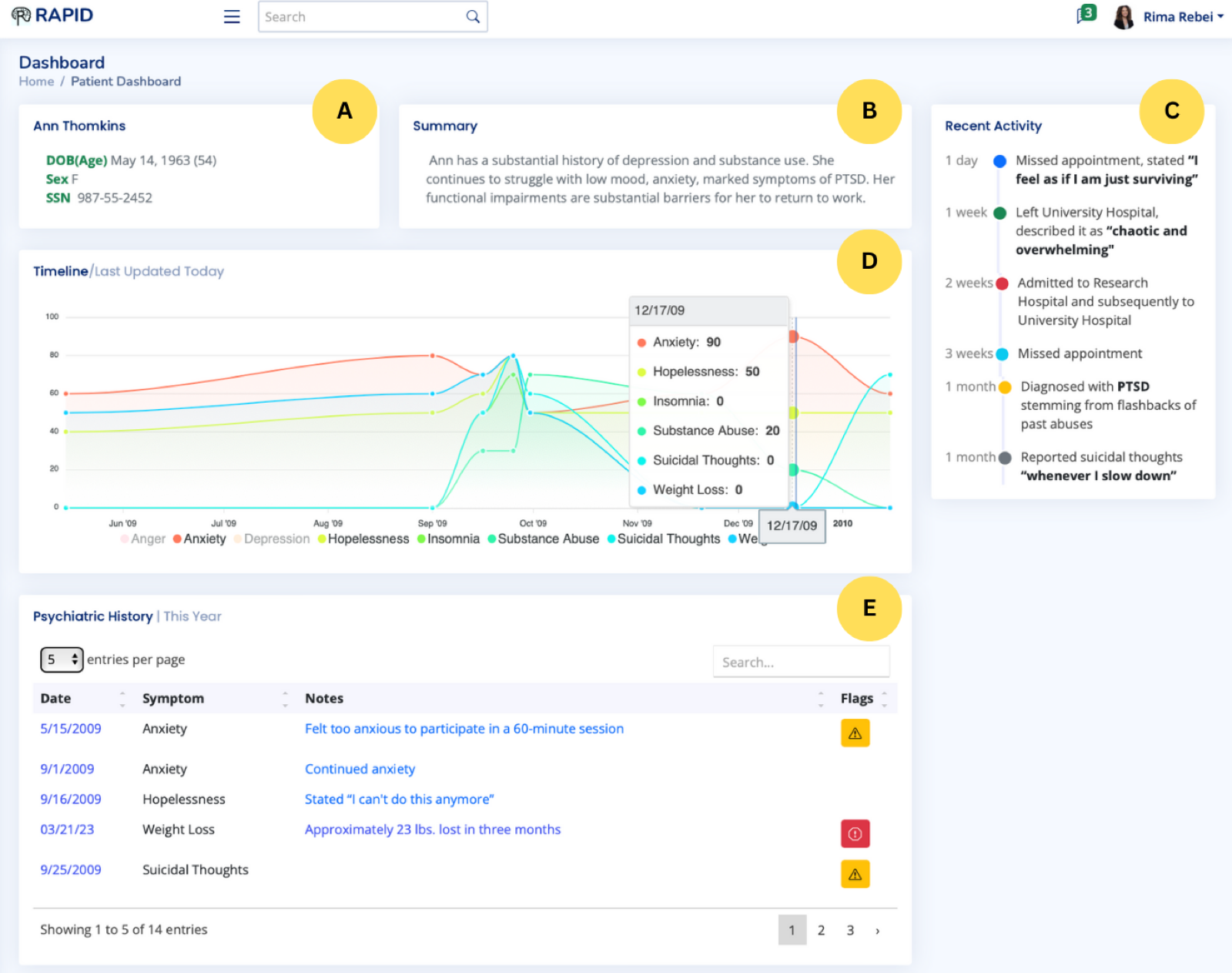
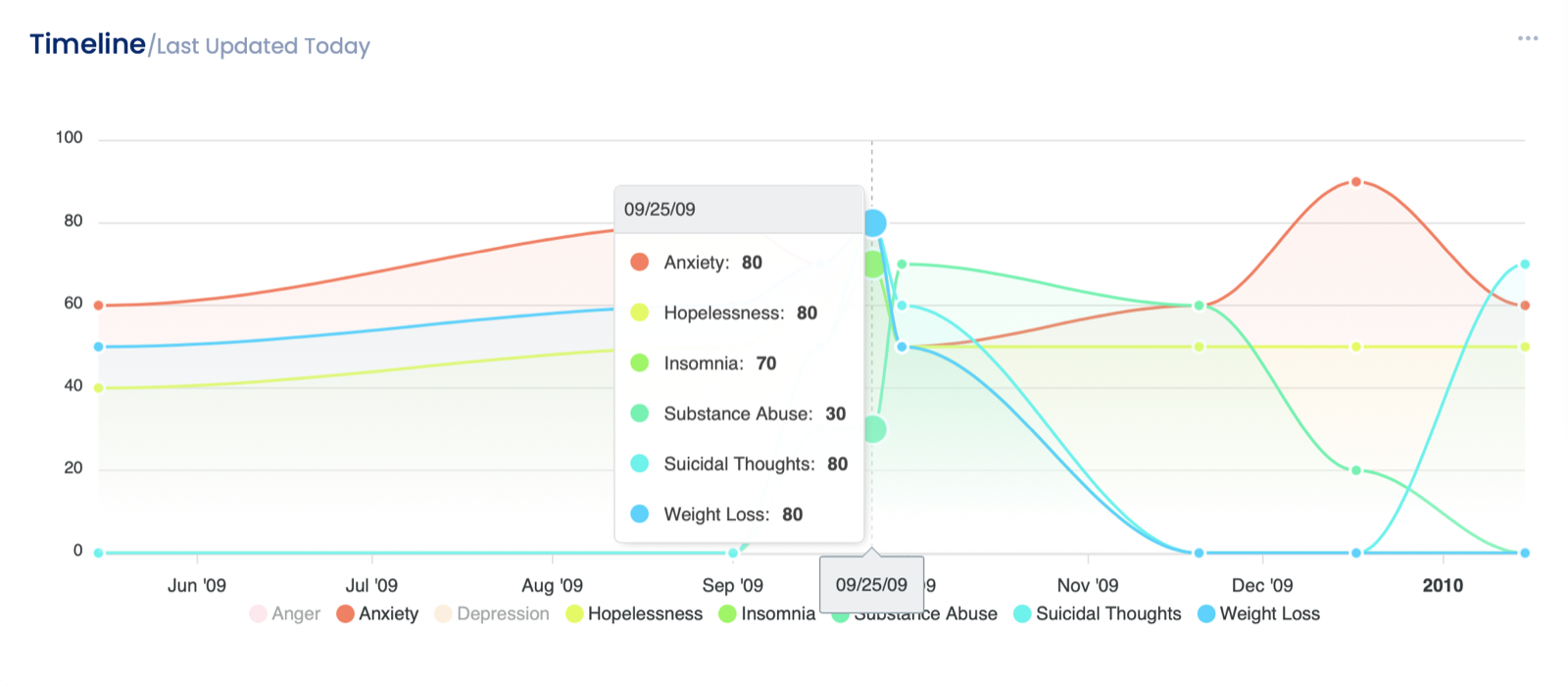
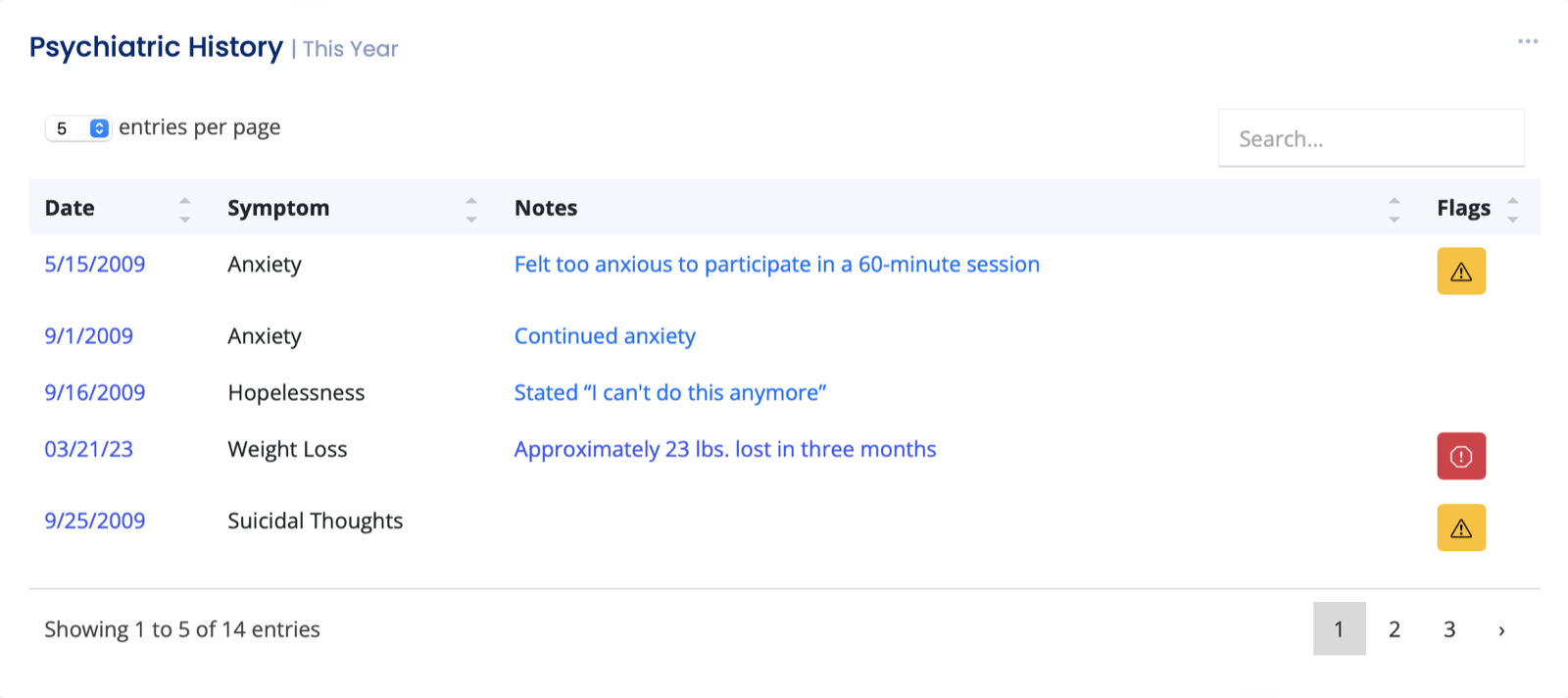
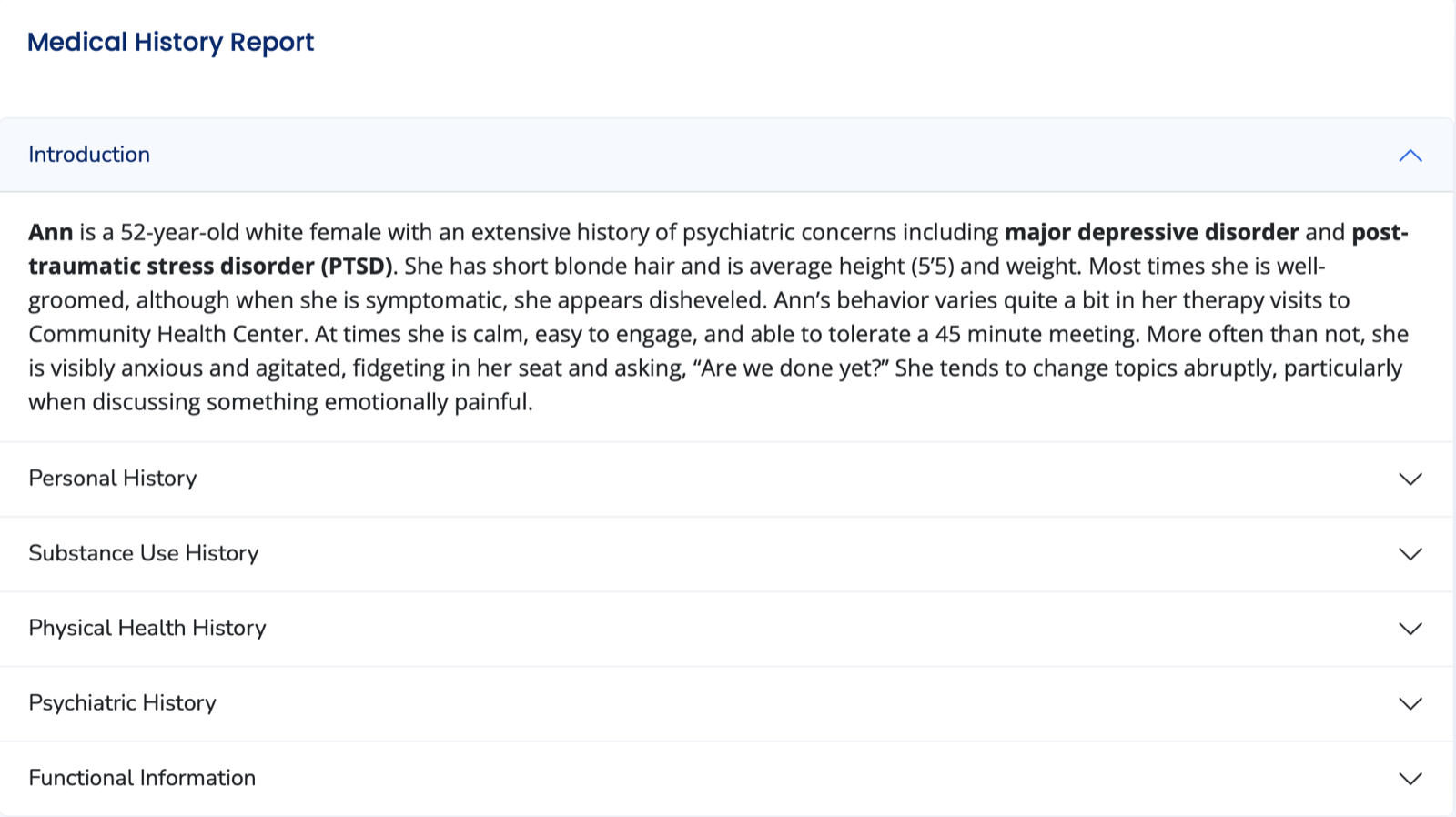
The dashboard is built around how clinicians read: a quick summary first, then a color-coded symptom timeline, then a filterable psychiatric-history list with flags, and the full report one click away.
Evaluation
I ran a comparative user study with six participants, five college-aged students and one physician. Each completed clinical reading tasks with both the original Doccurate interface and RAPID. The study measured usability and efficiency and gathered perceived strengths and limitations.
A surgeon helped code the clinical data, which grounded the annotations in real clinical reading practice.